How to dry out hardwood floors after water damage
Discover effective methods to dry out hardwood floors after water damage in San Antonio, ensuring your home stays safe and sound.
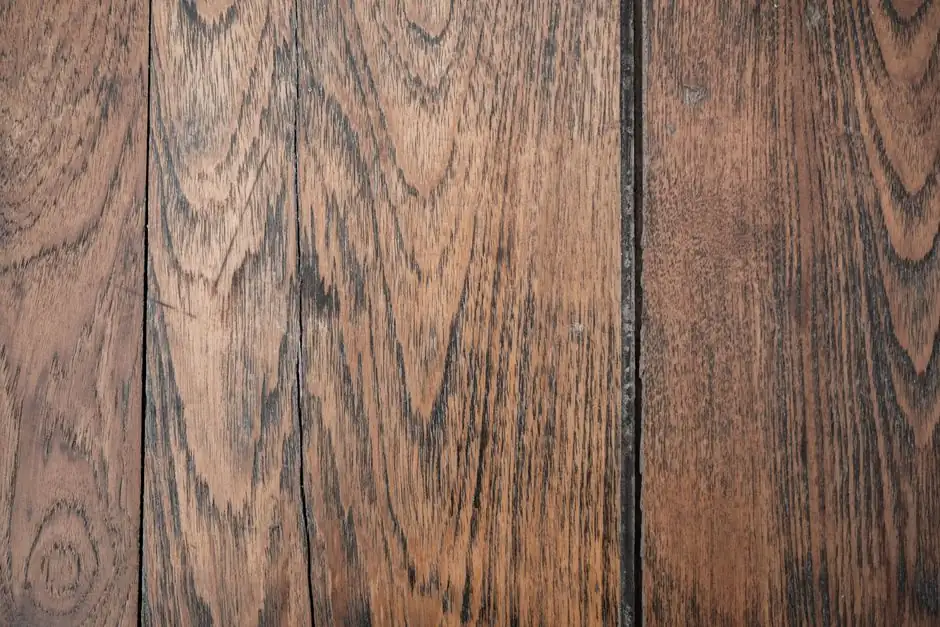
Drying out hardwood floors after water damage requires immediate action and the right techniques. The faster you respond, the better chance you have of saving your floors. This guide covers the essential steps to take, effective drying methods, and when to seek professional help in San Antonio.
Hardwood floor water damage removal is a critical process that involves eliminating excess moisture to prevent warping, mold growth, and further deterioration.
Understanding Water Damage in Hardwood Floors
Water damage can manifest in various ways, from minor leaks to significant flooding. In San Antonio, where humidity levels can be high, hardwood floors are particularly susceptible to moisture-related issues. Understanding how water affects your floors is essential for effective restoration.
Immediate Steps to Take After Water Damage
Taking prompt action is crucial. Begin by identifying the source of the water and stopping it if possible. This could involve shutting off the main water supply or fixing a plumbing leak. Next, remove any standing water using a wet vacuum or mop. Ensure that you wear protective gear, especially if the water is contaminated.
- Shut off electricity in affected areas to prevent shocks.
- Remove furniture and rugs from the area to avoid further damage.
- Open windows and doors to increase ventilation.
Once the area is cleared, you can begin the drying process. For homeowners in areas like Alamo Heights, where older homes might have hardwood floors, this step is vital to prevent long-term damage.
Effective Drying Techniques for Hardwood Floors
There are several methods to effectively dry out hardwood floors:
1. Air Drying
Air drying is the simplest method. Use fans to increase air circulation and dehumidifiers to remove moisture from the air. Place fans at different angles to ensure even airflow across the floor.
2. Heat Drying
If air drying is insufficient, consider using heat. Space heaters can help speed up the drying process. However, be cautious not to overheat the wood, as this can lead to cracking. Maintain a temperature of around 70°F to 80°F.
3. Professional Equipment
For severe cases, professional equipment such as large-scale dehumidifiers and air movers might be necessary. These tools can significantly expedite the drying process, especially in homes with extensive water damage.
For those facing significant water issues, calling for Emergency Water Extraction San Antonio TX can be a wise choice. Professionals can assess the damage and implement the best strategies for drying and restoration.
Common Mistakes to Avoid
When dealing with water damage, avoid these common pitfalls:
- Delaying action - the longer you wait, the more damage can occur.
- Ignoring hidden moisture - check under appliances and in corners.
- Using the wrong drying methods - avoid excessive heat or direct sunlight, which can warp the wood.
When to Call a Professional
If you notice significant warping, mold growth, or if the damage is extensive, it's time to call a professional. Alamo Restoration Experts specializes in Hardwood Floor Water Damage Removal San Antonio TX and can provide the expertise needed to restore your floors effectively.
Frequently Asked Questions
How long does it take to dry out hardwood floors? Typically, drying hardwood floors can take anywhere from 24 to 72 hours, depending on the severity of the damage and the methods used.
Can I use a hairdryer to dry my hardwood floors? It is not recommended to use a hairdryer as it can cause uneven heating and potentially damage the wood. Stick to fans and dehumidifiers.
What are the signs of water damage on hardwood floors? Look for discoloration, warping, or cupping of the boards. A musty smell can also indicate mold growth.
Is it safe to walk on wet hardwood floors? It is best to avoid walking on wet hardwood floors to prevent slips and falls, as well as to avoid further damage to the wood.
Should I replace my hardwood floors after water damage? Not necessarily. Many hardwood floors can be restored if addressed quickly and properly. Consult with a professional for an assessment.
Get help with Water Damage Restoration in San Antonio
If your hardwood floors have suffered water damage, don't wait. Contact Alamo Restoration Experts for prompt and professional assistance. Call us today at (210) 944-4107 for immediate support.