How to prevent water damage from appliance leaks
Discover effective strategies to prevent water damage caused by appliance leaks in your San Antonio home.
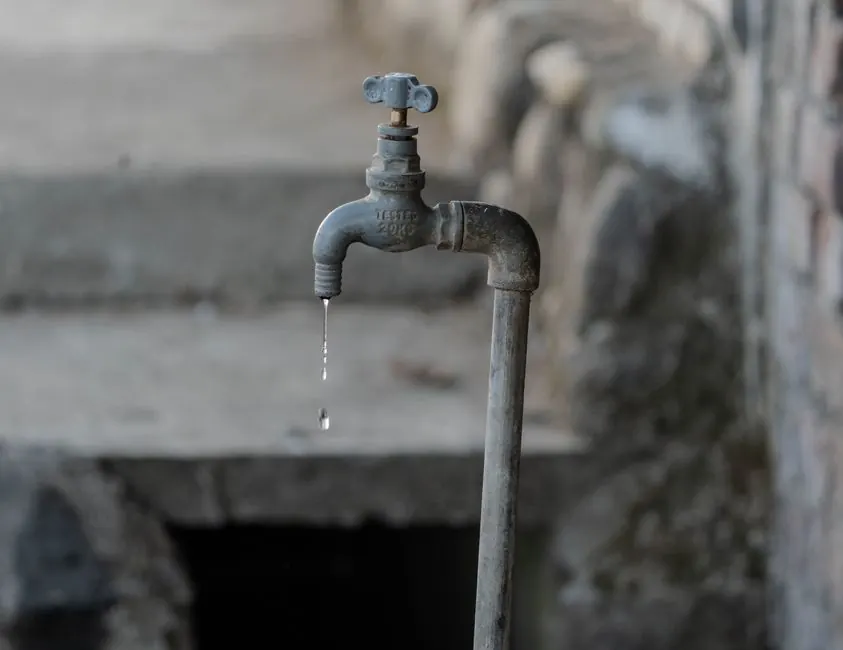
Water damage from appliance leaks can lead to costly repairs and health risks due to mold growth. Preventing such leaks requires proactive measures to ensure your appliances function properly and do not create a hazardous environment in your home.
This article covers the causes of appliance leaks, how to identify potential issues early, preventive measures for common household appliances, and when to call a professional for assistance. Homeowners in San Antonio can benefit significantly from understanding these aspects to protect their properties.
What causes appliance leaks?
Appliance leaks are typically caused by a variety of issues, including worn-out hoses, faulty seals, or improper installation. Common household appliances such as washing machines, dishwashers, and refrigerators are particularly prone to leaks.
In San Antonio, where humidity levels can fluctuate, these issues may be exacerbated by the local climate. Regular maintenance is essential to prevent leaks that could lead to extensive water damage.
How to identify potential leaks early
Identifying potential leaks early can save you from significant damage and costly repairs. Look for the following signs:
- Water pooling around the base of appliances
- Discoloration or warping of flooring or cabinetry
- Increased water bills without explanation
- Unusual sounds from appliances, such as hissing or dripping
Regular inspections of your appliances can help catch these issues before they escalate. For instance, checking the hoses on your washing machine and ensuring they are not kinked or damaged is a simple yet effective measure.
Preventive measures for common appliances
Each appliance has specific preventive measures to reduce the risk of leaks:
Washing Machines
For washing machines, replace hoses every five years and ensure they are properly secured. Consider using flood-proof hoses that are designed to withstand higher pressures.
Refrigerators
Refrigerators can leak due to clogged defrost drains or faulty water supply lines. Regularly check the water line connections and clean the defrost drain to prevent blockages.
Dishwashers
For dishwashers, inspect the door seals for wear and tear. A worn seal can lead to leaks during operation. Regularly clean the filter to ensure water drains properly.
Water Heaters
Inspect your water heater for signs of rust or corrosion, which can indicate a potential leak. Flushing the tank annually can help maintain its integrity.
Air Conditioners
Air conditioning units can also cause leaks if the condensate drain is blocked. Regular maintenance and cleaning of the drain line can prevent overflow.
Implementing these preventive measures can significantly reduce the risk of appliance leaks and the subsequent need for appliance leak cleanup in San Antonio.
Common mistakes to avoid
Homeowners often make several mistakes that increase the risk of water damage:
- Neglecting regular maintenance and inspections
- Using old or damaged hoses
- Ignoring warning signs of leaks
- Improper installation of appliances
For instance, failing to replace old hoses can lead to burst pipes, while ignoring discoloration on walls or floors can allow mold to develop, necessitating professional mold removal in San Antonio.
When to call a professional
If you notice persistent leaks or water damage that you cannot address yourself, it's time to call a professional. Alamo Restoration Experts can assist with emergency situations and provide thorough inspections to identify hidden damage.
Our team specializes in emergency water extraction in San Antonio and can help mitigate the effects of water damage quickly.
Frequently Asked Questions
1. How can I prevent water damage from my washing machine?
Regularly inspect hoses and replace them every five years. Ensure connections are secure and consider flood-proof hoses for added protection.
2. What should I do if I notice a leak?
Turn off the appliance immediately and check for visible signs of damage. If the leak persists, contact a professional for assistance.
3. How often should I inspect my appliances for leaks?
It's advisable to inspect appliances at least once every six months to catch potential issues early.
4. Can I handle water damage cleanup myself?
While minor leaks can be managed, significant water damage requires professional help to ensure thorough cleanup and prevent mold growth.
5. What are the signs of mold growth after a leak?
Look for visible mold, a musty odor, or unexplained health issues. If you suspect mold, contact a professional for an inspection.